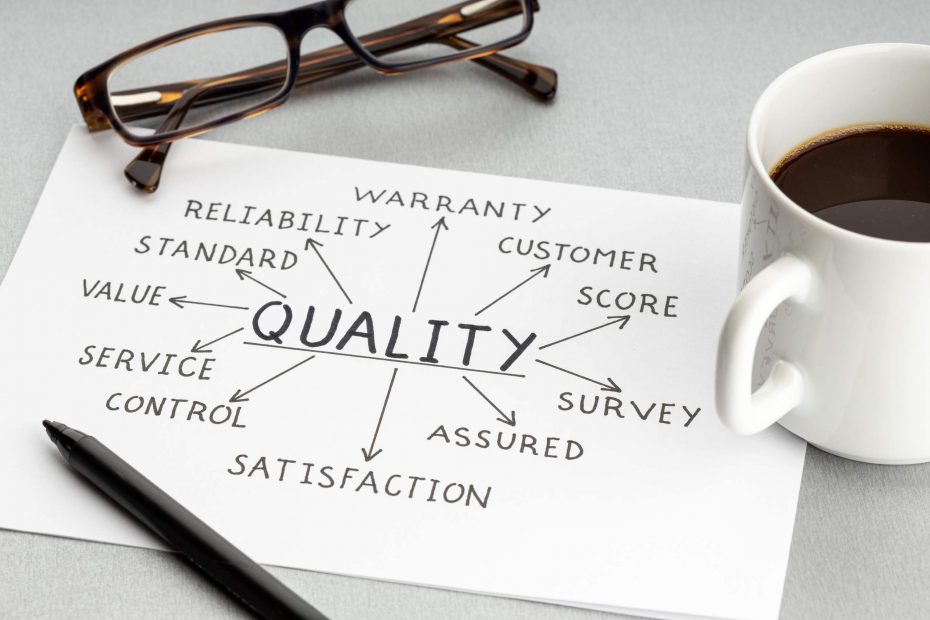
Developing a product isn’t just about having a great design or picking the right materials. There are many factors that engineers and product development teams must take into consideration, including safety, performance, manufacturing, testing, compatibility, and more.
Standards can play a significant role throughout the product development process, enabling teams to make sound technical decisions from the initial concept to the finished product.
Setting the Stage With Well-Defined Requirements
The starting point for every product development process is knowing what a product has to do.
Standards can help define appropriate technical requirements and offer established methods for testing performance, safety, dimensions, or other attributes.
Rather than developing all requirements independently, engineers can use existing standards as a guide and tailor their product development process to fit.
Standards in the Design Phase
The design process plays a critical role in shaping the final product. Material choice, size, component interfaces, safety considerations, and manufacturing methods must all come together.
Applicable standards can help engineers identify key requirements before the design is finalized.
This approach can avoid scenarios where a product reaches a later stage of development only to find that a specific part or feature doesn’t meet a requirement.
Materials and Components
Developing a product often requires identifying materials and components from various suppliers.
Standards can establish uniform specifications for attributes like dimensions, physical properties, performance, or testing.
This allows engineers to evaluate available options and determine if a material or component is appropriate for the intended application.
Testing and Validation
A product must be tested to verify that it performs as designed.
Standards can specify or reference suitable testing methods, measurement techniques, and performance criteria. Consistent test methods lead to more meaningful results that can be compared.
For product development teams, this information can be crucial to determine if a design is ready for advancement or needs modification.
Manufacturing
A product that works well as a prototype may still face issues once it enters large-scale manufacturing.
Manufacturers require clear specifications and consistent requirements to produce a product accurately.
Consistent dimensions, materials, processes, and inspections can help bridge the gap between product development and manufacturing.
This linkage is particularly important when manufacturing occurs across multiple locations or with outside suppliers.
Documentation and Information Sharing
Product development involves numerous individuals performing various functions. Engineers, designers, manufacturers, quality professionals, suppliers, and inspectors must all have access to accurate technical information.
Common terminology and documentation practices can improve information sharing.
Accurate documentation minimizes confusion and ensures that key product requirements remain intact as the project transitions between groups.
Identifying Issues Early
One of the main benefits of incorporating standards early is the opportunity to identify issues before they become costly.
Modifying a product concept at the early design phase is typically easier than altering a completed product line.
By evaluating relevant standards up front, product development teams can make smarter choices regarding design, materials, testing, and manufacturing.
Standards and Innovation
There’s often a perception that standards limit innovation. In fact, they can serve as a solid technical basis that supports innovation.
Engineers can create new products and technologies while utilizing standards where consistency, safety, interoperability, or measurement matters.
This means that innovation and standardization can complement one another.
Product Development Ahead
With increasing connectivity and technological complexity in products, standards will continue to be vital in product development.
Digital engineering, automated testing, global sourcing, and data-driven manufacturing all call for more precise and consistent technical specifications.
Individuals who know how to leverage standards will be better equipped to engage in these highly complex product development activities.
Bottom Line
Standards can impact nearly every aspect of product development, from initial design requirements through testing, manufacturing, and quality control.
They give product development teams a shared technical base and enable them to transform ideas into practical, measurable, and manufacturable products.
Product development develops the idea. Standards turn that idea into a concrete outcome.